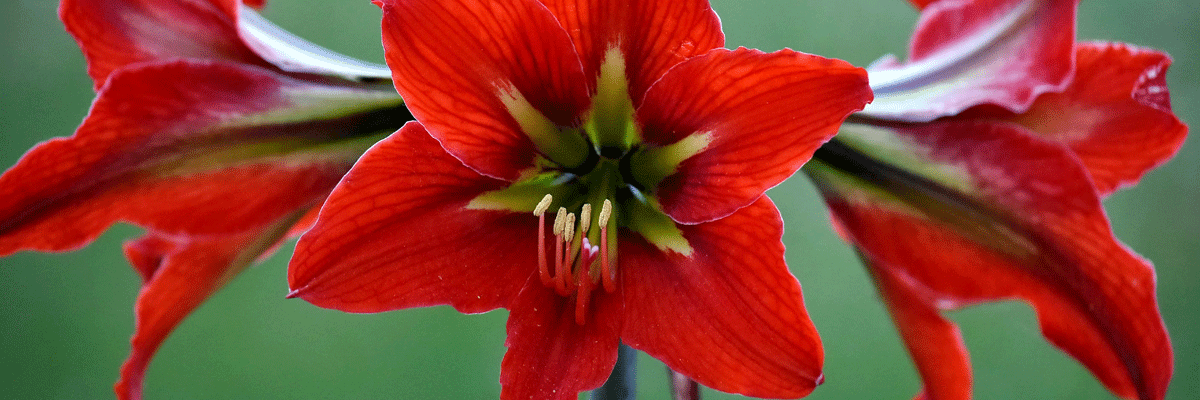
While the outdoor garden rests, amaryllis and paperwhites bring flowers to Maine windowsills and tabletops. Starting with a bulb is part of the enjoyment: you can watch roots, leaves, and flower buds develop before the display opens.
Both are straightforward indoor projects, but their planting and aftercare differ. Use this guide for ordinary, uncoated bulbs, and follow the separate instructions below for waxed amaryllis.
Choose Your Bulbs and Plan Ahead
Amaryllis produce large trumpet-shaped flowers, often on more than one stalk. Paperwhites produce clusters of smaller flowers with a distinctive fragrance that can be quite strong. Consider scent when choosing a display for a bedroom, office, or gift.
- Choose firm bulbs. Avoid soft spots, decay, or damaged bases. Emerging growth is normal if it looks healthy.
- Allow time. Paperwhites often flower in about 4 to 6 weeks; amaryllis commonly take about 6 to 10 weeks, sometimes longer. Variety, bulb preparation, temperature, and existing growth affect timing. Use the supplier's estimate for your bulb.
- Skip the refrigerator. Ready-to-grow amaryllis and paperwhites do not need the chilling treatment used for many spring garden bulbs.
- Stagger your starts. Plant a few bulbs every couple of weeks for a succession of flowers. Exact bloom dates are difficult to guarantee.
Plant Paperwhites in Pebbles and Water
A watertight bowl or vase makes it easy to grow paperwhites without soil. Choose a stable container with room for roots and enough weight to support tall stems.
- Add a layer of clean pebbles or stones and nestle bulbs on it, pointed ends up.
- Arrange bulbs close together without forcing them against one another. Add stones around their lower portions to hold them upright, leaving their upper halves exposed.
- Add water to just below the bulb bases. The roots should reach moisture; the fleshy bulbs should not be submerged.
- Check the level frequently as roots develop. Replenish water without raising it around the bulbs.
A clear container makes the water line easy to see. In an opaque bowl, leave a small opening among the stones so you can check it. A soft bulb or unpleasant odor can indicate rot; remove affected bulbs and clean the container before starting again.
Plant Paperwhites in Potting Mix
Use a pot with drainage holes and fresh, well-drained potting mix. Leave sufficient depth beneath the bulbs for roots. Set bulbs close together, cover their lower portions, and leave the tips exposed. Water thoroughly, let excess water drain, and empty the saucer.
Keep the mix lightly moist as roots and shoots develop. Check before watering rather than following a fixed calendar, and never leave the pot sitting in water.
Keep Paperwhites Bright and Supported
Give growing shoots bright light and turn the container periodically for even growth. A cool, bright room helps keep stems more compact than a dim, overheated location. Keep plants away from heating vents and cold window glass.
Install a small support ring or decorative twigs early, before stems lean. Tie loosely if needed. Once flowers open, a cooler display spot away from strong direct sun can help them last longer. Continue maintaining water or soil moisture through flowering.
Plant Amaryllis in a Snug Pot
Choose a sturdy pot with drainage holes, approximately 1 to 2 inches wider than the bulb. Tall flower stalks can make lightweight containers tip, so a heavier pot or stable outer planter is useful.
- Add fresh potting mix and position the bulb with its roots spreading downward.
- Adjust the level so roughly the upper third of the bulb remains above the mix. Don't bury the neck.
- Fill around the roots and gently firm the mix, leaving space below the pot rim for watering.
- Water to settle the mix, allow complete drainage, and place in a warm, bright location.
Until active growth develops, water sparingly and allow the surface to dry between waterings. As leaves and stalks grow, check more often and water when the upper mix dries. Always drain excess water. Leaves may appear before, with, or after the flower stalk.
Enjoy the Flowers for Longer
Turn an amaryllis pot regularly to encourage upright growth. Support tall stalks with a stake placed carefully near the pot edge, avoiding the bulb and major roots. Move an opening plant to a slightly cooler spot with bright, indirect light, away from radiators and fireplaces.
Remove individual flowers as they fade. When a stalk has finished flowering, cut it back without injuring the bulb or leaves. Another stalk may already be developing, so inspect before trimming.
Help Amaryllis Bloom Again
Healthy leaves replenish the bulb after flowering. Keep them growing in bright light, water as needed, and feed with a houseplant fertilizer according to its label. When Maine's frost risk has passed, you can gradually acclimate the plant to a sheltered outdoor location for summer. Bring it back inside before frost.
To help schedule another bloom, a mature, well-fed bulb can be given a dry rest in a cool, frost-free location in fall. Gradually reduce watering, let foliage yellow naturally, and remove it after it dries. A rest of roughly 8 to 10 weeks is commonly used; then return the pot to warmth and light and resume watering cautiously. Follow variety-specific instructions, and restart care if growth begins sooner.
Reblooming depends on the bulb rebuilding its reserves. A small or depleted bulb may grow leaves for a season before flowering again. Don't discard a firm, healthy bulb simply because it misses a holiday deadline.
What About Waxed Amaryllis and Spent Paperwhites?
Waxed amaryllis are a different product. They are generally prepared to flower using stored reserves without a pot or watering. Keep the waxed bulb upright in bright, indirect light, turn it periodically, and follow its packaging. Don't apply the soil-grown watering routine while the coating is intact. Saving one afterward may be possible if its base and roots remain viable, but success is less predictable.
Paperwhites are usually enjoyed for one indoor display. After forcing, especially in water, another good bloom is unlikely. They are not reliably winter-hardy outdoors in Maine. Compost spent bulbs after removing non-compostable decorations, or discard them appropriately.
A Few Simple Troubleshooting Checks
- Tall, leaning growth: Improve light, rotate the pot, and add support. Avoid very warm display spots.
- No growth yet: Check the bulb's firmness, room warmth, and supplier's timing. Extra water won't hurry a dormant bulb and can cause rot.
- Yellowing or softness: Check drainage and water level first. A soft, decaying bulb cannot be restored by fertilizer.
- Short-lived flowers: Move the display away from heat and strong sun once buds open.
Ready to get started? Browse our amaryllis and paperwhites, or ask the Estabrook's team for help choosing bulbs and containers for your winter display.
Additional guidance: University of Minnesota Extension's amaryllis guide, Iowa State Extension's paperwhite guide, University of Maryland Extension's amaryllis care advice, and New York Botanical Garden's bulb-forcing guide.