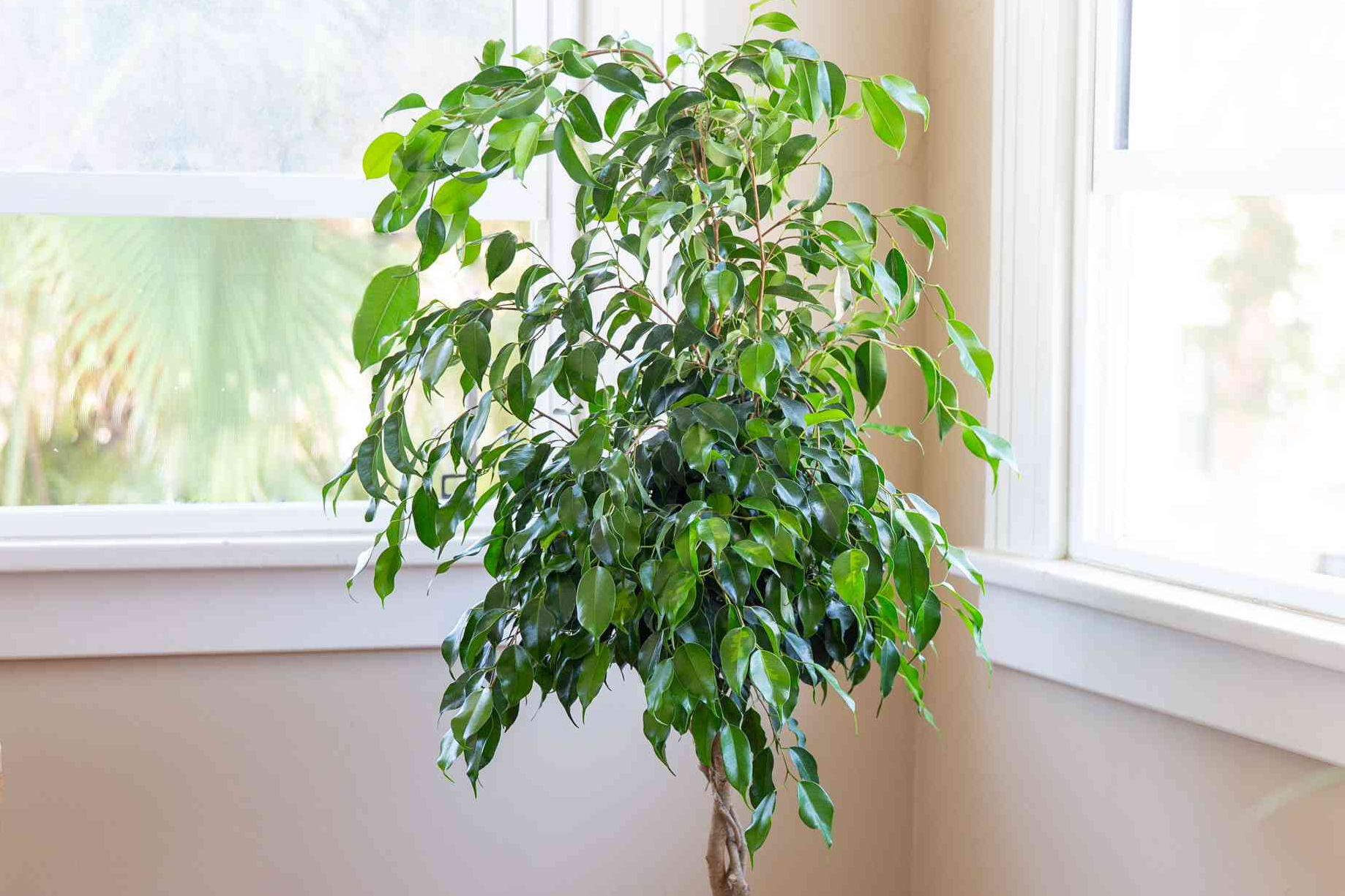
Ficus are bold, leafy houseplants that add height, structure, and a modern feel to any space. Popular varieties like the Fiddle Leaf Fig and Rubber Tree are known for their large, glossy leaves and tree-like growth habit. While they have a reputation for being a little particular, they are easy to grow once you understand their basic needs.
Light
Ficus thrive in bright environments. Bright, indirect light is ideal, but many varieties appreciate a few hours of gentle direct sun, especially morning light. A spot near a sunny window is usually perfect. If your plant is not receiving enough light, you may notice yellowing leaves or leaf drop. Consistent lighting is important - sudden changes in light can cause stress and leaf loss.
Water
Allow the top half of the soil to dry out between waterings. Ficus prefer a wet-to-dry cycle rather than constantly moist soil. Thick-leaved varieties, such as Rubber Trees, can tolerate slightly longer dry periods, while thinner-leaved types may need watering a bit more frequently. Always empty saucers after watering and avoid letting the plant sit in standing water, as this can lead to root rot.
Soil
Use a well-draining potting mix that retains some moisture but does not stay soggy. A quality indoor potting soil blended with materials that improve drainage works well. Good drainage helps keep roots healthy and strong.
Temperature
Ficus prefer average household temperatures between 65-85°F. Keep plants away from cold drafts, open doors, and heating vents. Temperatures below 50°F can cause stress and leaf drop.
Fertilizer
Ficus are active growers during the spring and summer months and benefit from regular feeding. Use a balanced houseplant fertilizer during the growing season. Reduce feeding in fall and winter when growth naturally slows.
Pruning
Ficus respond very well to pruning. Trimming encourages branching and helps maintain a fuller, more compact shape. You can prune to control height or shape your plant into a more tree-like form. Always use clean, sharp pruners when cutting.
Pests
Like most houseplants, Ficus can occasionally attract pests. Wipe leaves regularly to keep them clean and inspect for issues. If needed, rinse the plant gently in the shower and treat with insecticidal soap or neem oil.
Pet Safety
Ficus contain a milky sap that can irritate skin and may cause stomach upset if ingested by pets. Keep plants out of reach of curious cats and dogs, and wash hands after pruning or handling.