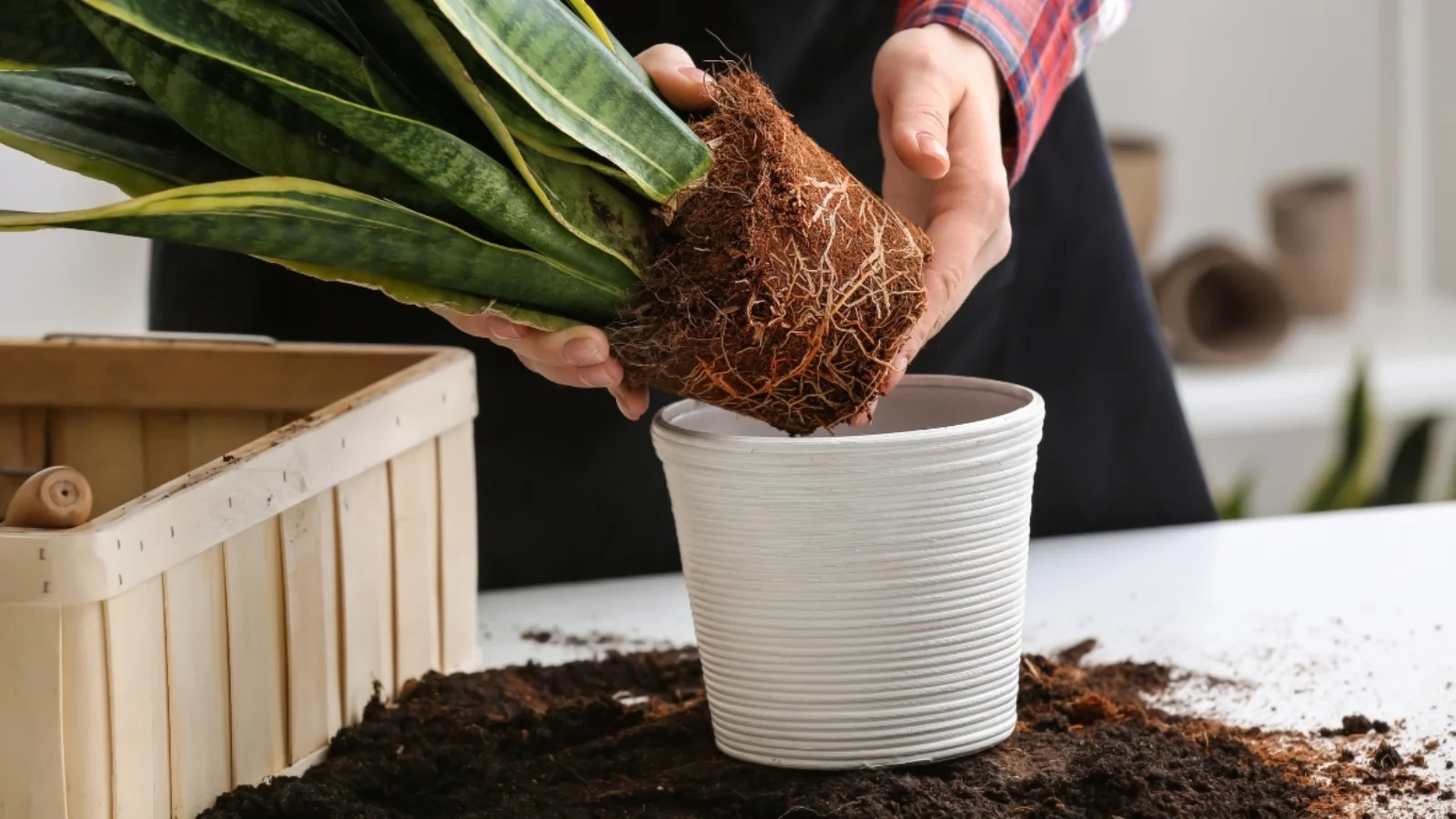
As the days get longer and brighter, your houseplants are waking up from their winter slowdown. Spring is the perfect time to give them a fresh start - and one of the best ways to do that is by repotting.
Even when growth slows during winter, roots are still active. By spring, many houseplants have outgrown their containers and will benefit from fresh soil and a little more room to grow.
When Should You Repot?
Early to mid-spring is the best time to repot most houseplants. Watch for these common signs that your plant is ready for a new pot:
- Roots growing out of the drainage holes or on the soil surface
- The plant is top-heavy or looks too big for its pot
- Soil dries out very quickly after watering
- Water runs straight through the pot
- Leaves look pale or the plant seems less healthy
If you're unsure, gently slide the plant out of its pot and check the roots. If they are tightly circling the root ball, it's time to move up to the next size.
Choosing the Right Pot Size
Bigger isn't always better. Moving up just 1-2 inches in pot diameter is usually perfect. A pot that's too large can hold excess moisture and lead to root rot.
What You'll Need
- Fresh potting soil suited for houseplants
- A new pot 1-2 inches larger than the current one
- A work surface or tray to catch soil
- Gloves if you prefer not to get your hands dirty
How to Repot
- Gently loosen the plant from its pot by squeezing the sides or tapping the container.
- Slide the plant out and examine the roots.
- Shake or loosen some of the old soil from the root ball.
- Add fresh soil to the bottom of the new pot.
- Place the plant in the center and fill around it with new soil.
- Leave about an inch of space at the top for watering.
- Water thoroughly and add a slow-release fertilizer if desired.
Repotting gives your plants fresh nutrients, healthier roots, and room to grow. With just a little effort, your houseplants will be ready to thrive all season long.