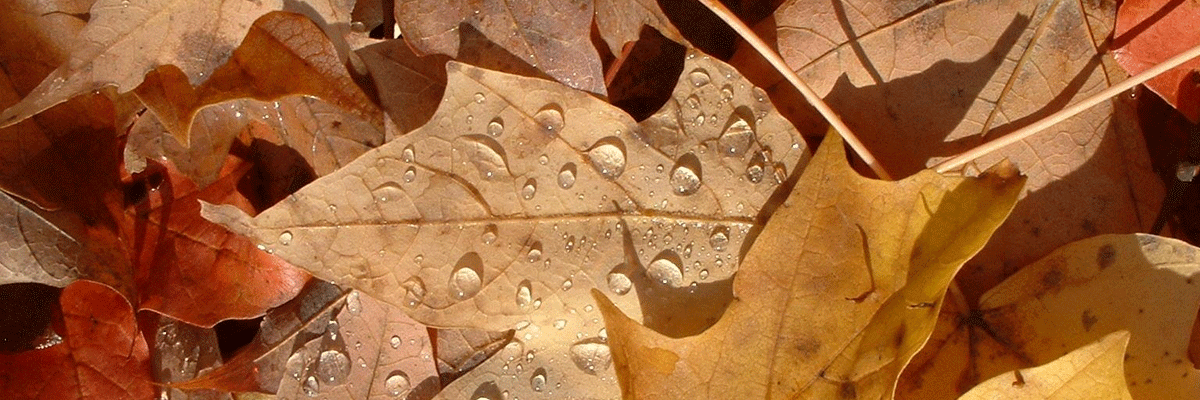
Fall is a good time to take stock of your garden and prepare for a Maine winter. A thoughtful cleanup helps reduce next year's weeds and disease problems, protects your tools and containers, and leaves useful shelter for birds and beneficial insects. Work through these tasks as weather and plant growth allow; you don't have to finish everything in one weekend.
Start with a Garden Walk
- Pull weeds before they set seed. Remove seed heads carefully so you don't scatter them as you work. Keep seedy weeds out of a home compost pile that may not get hot enough to kill the seeds.
- Record what worked. Photograph beds, label plants, and note gaps, crowded areas, drainage problems, and varieties you'd like to grow again.
- Watch the forecast. Harvest frost-sensitive vegetables and protect or bring in tender plants before damaging cold arrives. Harvest timing varies by crop; some cool-season vegetables can remain productive after a light frost.
Clean Up Problem Plants
Remove spent vegetable plants and frost-killed annuals, especially those that had pest or disease problems. Collect affected fallen leaves and fruit around problem plants. Healthy material can go into compost; keep diseased debris out of an ordinary home compost pile and follow local disposal guidance.
If you're unsure what caused a plant to decline, take photos before removing it. A diagnosis can help you choose the right cleanup and avoid repeating the problem next season.
Choose Which Perennials to Cut Back
Give healthy perennials time to finish growing and enter dormancy. There is no single cutting height or schedule that fits every plant.
- Leave sturdy seed heads and stems. Healthy coneflowers, ornamental grasses, and other standing plants can provide winter interest, food for birds, and shelter for insects.
- Remove diseased growth. Selective cleanup helps reduce carryover problems without stripping every bed bare.
- Check the plant's needs. Evergreen foliage and woody perennial stems may need different treatment from soft growth that collapses after frost. Ask about unfamiliar varieties before cutting.
Put Fallen Leaves to Work
Clear paths, steps, and other frequently used areas. Remove thick, matted leaves from lawns so they don't smother the grass. A light covering can be shredded with a mower and left where the pieces settle into the turf.
Where practical, retain undisturbed leaves in garden beds and beneath trees and shrubs. They return organic matter to the soil and offer overwintering habitat. Keep dense piles away from plant crowns and trunks, and relocate excess leaves to a designated composting area.
Care for Trees, Shrubs, and Soil
- Keep checking moisture. Newly planted trees, shrubs, and evergreens may need watering during dry fall weather until the ground freezes. Check the root ball as well as surrounding soil, and avoid keeping either waterlogged. Read our fall watering guide for more.
- Inspect existing stakes and ties. Most landscape trees don't need staking. If a new tree is unstable, ask about appropriate support; check ties for rubbing or constriction and remove temporary supports when no longer needed.
- Plan pruning by plant type. Save major pruning of many repeat-blooming shrub roses for spring, when winter damage is visible. Other roses and shrubs have different schedules, so check before shaping them in fall. Arrange professional help for large or hazardous branches.
- Protect exposed soil. Cover bare vegetable beds with suitable organic mulch or a planned cover crop. Finished compost can improve soil; it serves a different purpose from an insulating mulch layer. Use a soil test to guide nutrient additions.
- Check mulch placement. Maintain about 2 to 3 inches around trees and shrubs, with space around trunks and stems. Winter protection for sensitive plants should follow the variety's needs and local timing.
Store Pots, Supports, and Tools
- Empty and clean vulnerable pots. Store terracotta and other containers susceptible to freeze damage in a dry, protected place. Hardy plants growing in pots need a separate overwintering plan.
- Clean removable supports. Take down unused trellises, cages, and stakes, remove soil and plant debris, and store them for spring.
- Drain hoses and watering equipment. Disconnect and store hoses before freezing weather. Follow manufacturer instructions for irrigation systems and outdoor water fixtures.
- Give tools some care. Clean off soil, dry metal surfaces, and maintain blades and equipment according to their instructions before storage.
Make Next Spring Easier
Finish with a short list of spring jobs: plants to divide, areas to improve, and supplies to replace. Leave healthy habitat where it fits your garden, and focus your effort on weeds, disease problems, and items that winter can damage.
Estabrook's has garden tools and supplies to help with your fall projects. Bring photos or contact our team for advice tailored to your plants and garden.
Additional guidance: UMaine Extension's fall leaf-management advice, providing shelter for pollinators, and caring for trees and shrubs in Maine.