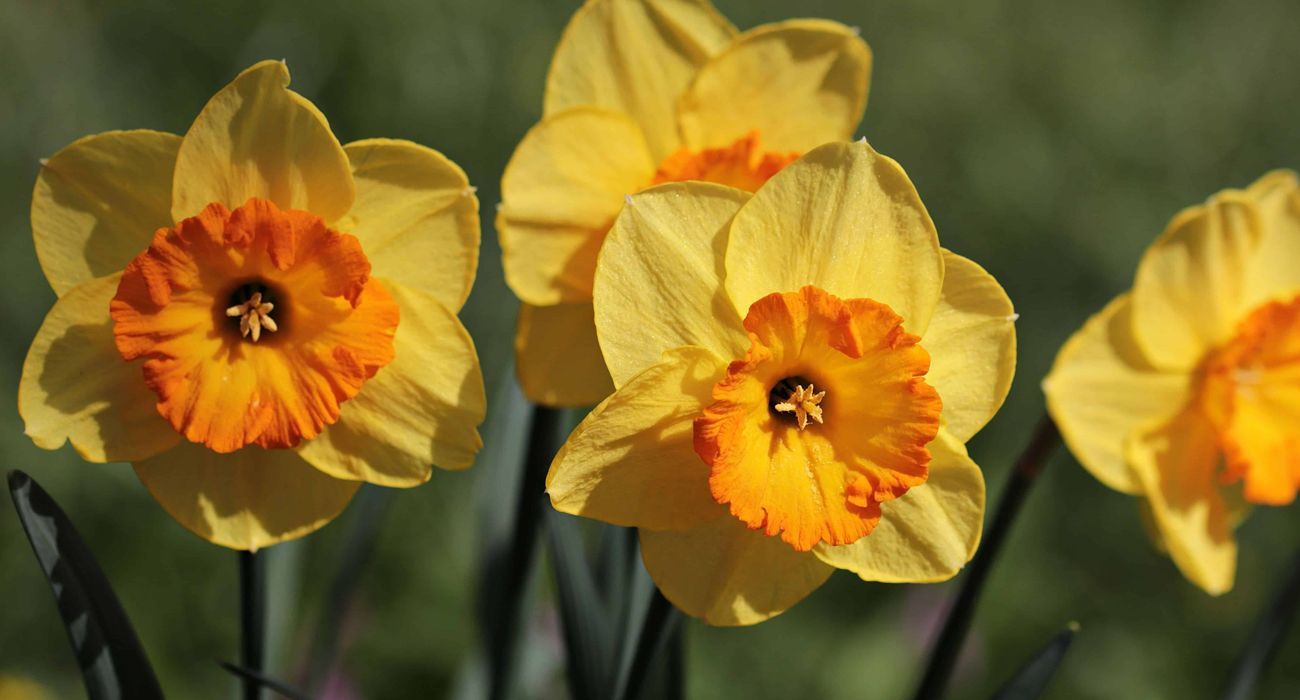
Who's ready to see those gorgeous and colorful spring blooms start popping up from hibernating all winter? We know we are!!
Not only do early blooming flowers add beauty, they can be helpful with attracting bees and other pollinators to help your yard early in the season.
Here are a few flowers and shrubs to keep your eye out for as April approaches:
- Witch Hazel
- Forsythia
- Iris
- Pansy
- Flowering Quince
- Crocus
- Winter Aconite
- Pussy Willow
- Helleborus
- Magnolia
- Daffodils
- Hyacinth
- Fritillaria
Early spring flowers can lighten your spirits after a long and dreary winter. Even if the cold weather is still lurking, you can still enjoy the beginning of spring if you take the time to plant early spring blooming flowers.
If you have any questions about when or what you should plant this spring give our specialists at Estabrook's a phone call. They can answer all your questions to help you and your yard become spring ready!
Choosing April Flowers for a Maine Garden
April weather in Maine can move quickly between warm sun, cold rain and late frost. The most dependable early flowers are plants that tolerate those swings without losing their buds. Crocus, winter aconite, daffodils, hyacinths and fritillaria grow from bulbs planted the previous fall, while established hellebores, witch hazel, pussy willow and forsythia return on their own each spring.
Pansies and violas are especially useful for containers, window boxes and the front of garden beds because they handle cool temperatures and begin flowering before most annuals. If a hard freeze is forecast after planting, move containers into a protected spot or cover plants overnight and uncover them the following morning.
Plan Now for More Early Color Next Year
Take photos or make notes while the spring garden is visible. Empty spaces are much easier to identify before summer perennials fill in. In fall, plant groups of bulbs through those openings instead of placing single bulbs in straight rows. Clusters and loose drifts create a fuller, more natural display and give early pollinators several blooms to visit in one area.
Combine bulbs with shrubs and perennials that bloom at slightly different times. Crocus and winter aconite can begin the season, followed by daffodils, hyacinths and fritillaria, then iris, flowering quince and magnolia. This succession keeps color developing throughout spring rather than arriving all at once.
Helping Early Pollinators
Early flowers can provide important pollen and nectar when relatively little else is blooming. Choose a mix of flower shapes and avoid treating open blooms with insecticides. Leave healthy bulb foliage in place until it yellows naturally; the leaves replenish the bulb so it can flower again the following year.