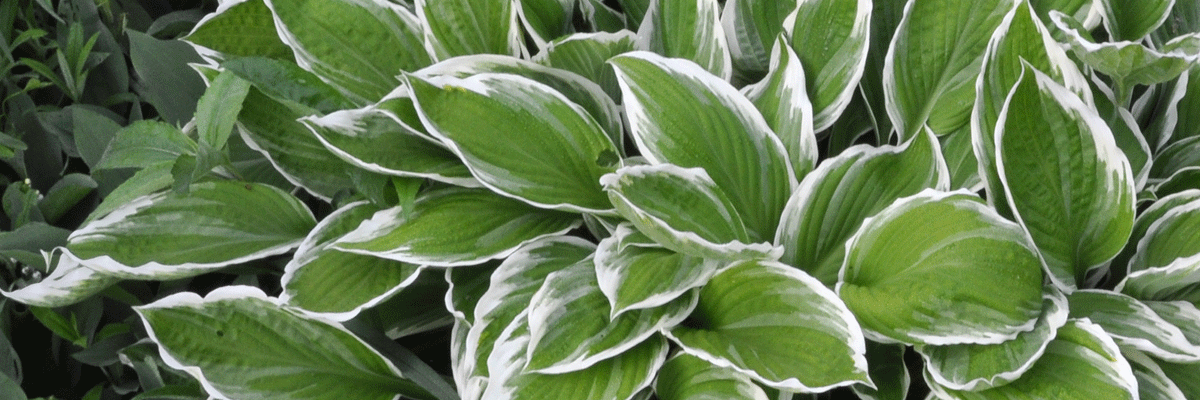
Available in an incredible variety of sizes, colors, shapes and textures, it's no wonder that hostas are among the most popular perennials for shade gardens. Their lush foliage brings dependable color and texture to areas where many other plants struggle to grow.
While hostas are known as shade plants, most varieties perform best with morning sun and afternoon shade. Deep, all-day shade can reduce growth, while too much afternoon sun may scorch the leaves.
Follow these simple planting and care tips to enjoy healthy, beautiful hostas for many years to come.
Choosing the Right Location
Hostas thrive in rich, moist, well-drained soil. Blue-leaved varieties generally prefer more shade, while gold and variegated selections often develop better color with a few hours of morning sun.
Soil Preparation
Before planting, enrich the soil with compost or another organic amendment. Hostas prefer a slightly acidic to neutral soil (pH 6.5-7.5). Dig a planting hole about one and a half times wider than the root ball, as hosta roots spread outward more than downward.
Planting
Remove the hosta from its container and gently loosen any circling roots. Plant it at the same depth it was growing in the pot, keeping the crown at soil level. Backfill with amended soil, water thoroughly and apply a 2-3 inch layer of mulch, keeping it away from the crown.
Fertilizing
Feed hostas with a balanced fertilizer such as 10-10-10 in spring as new growth emerges. A second light application in early summer can encourage continued growth. Liquid fertilizers may also be used according to label directions. Avoid fertilizing late in the season.
Watering
Hostas perform best with consistently moist soil. Water deeply two or three times each week, increasing frequency during hot, dry weather. Brown leaf tips, drooping foliage and faded color are common signs that plants need more water. Water early in the day whenever possible.
Slugs and Other Pests
Slugs and snails are the most common hosta pests. Keeping the garden free of debris and watering in the morning can help reduce damage. Deer may also browse hostas, so repellents or barriers may be necessary in some areas.
Dividing Hostas
Mature hostas can be divided every few years in early spring or early fall. Lift the clump, separate it into sections with healthy roots and growing points, then replant and water thoroughly.
Seasonal Care
Remove damaged leaves throughout the growing season and cut back all foliage after a hard frost. With rich soil, consistent moisture and the proper amount of shade, hostas will continue to grow larger and more impressive year after year.