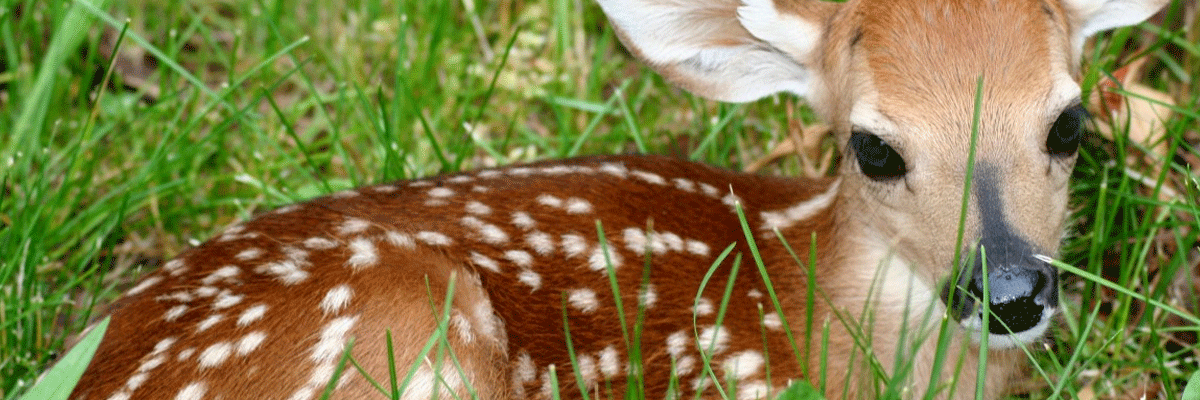
Deer will eat almost any plant when food is scarce, so no perennial is completely deer-proof. Maine gardeners can still reduce browsing by choosing plants with aromatic foliage, coarse or fuzzy leaves, or sap that deer usually avoid. Catmint, ornamental alliums, perennial salvia, yarrow, Russian sage and hellebores are dependable places to start.
Start with the Right Plant for the Site
A deer-resistant plant still needs the right light, soil and drainage to thrive. Match each perennial to the conditions in your garden, and check the hardiness of the specific variety before planting. Conditions vary between coastal southern Maine, protected village gardens and colder inland locations.
Deer-Resistant Perennials for Sunny Maine Gardens
- Catmint (Nepeta) has aromatic gray-green foliage and a long season of blue-purple flowers. Plant it in full sun and well-drained soil. Shearing it after the first flush of flowers can encourage fresh growth and rebloom.
- Ornamental allium (Allium) produces globe-shaped flowers above onion-scented foliage. Bulb-forming types bloom in spring or early summer, while perennial selections such as 'Millenium' flower later in the season.
- Perennial salvia (Salvia nemorosa and hybrids) offers upright flower spikes and fragrant foliage. It performs best in full sun with good drainage and often reblooms after spent flowers are removed.
- Yarrow (Achillea) tolerates sun, lean soil and dry conditions once established. Its flat flower clusters also provide landing places for a range of pollinating insects.
- Russian sage brings silvery, aromatic foliage and clouds of lavender-blue flowers to hot, sunny sites. Give it excellent drainage and enough room for air movement.
- Lavender (Lavandula) is usually avoided by deer because of its strongly scented foliage. In Maine, choose a suitably hardy variety and place it in full sun where water will not collect during winter.
Choices for Part Shade and Shade
- Hellebores (Helleborus) have leathery foliage and nodding flowers in late winter or early spring. They prefer part shade and soil that drains well.
- Ferns add durable texture beneath trees and along shaded foundations. Select the species for the available moisture; some tolerate dry shade while others prefer consistently moist soil.
- Epimedium forms a low, spreading layer of foliage and delicate spring flowers. Once established, it is useful beneath trees and in other dry, partially shaded areas.
- Brunnera grows best in cool, moist, partly shaded sites. Its textured leaves and small blue spring flowers make it a useful companion for ferns and hellebores.
Protect New Plantings
Even plants that deer normally avoid may be sampled when they are young. Protect new perennials with temporary fencing or a repellent until roots are established. Apply repellents according to the label, cover new growth thoroughly and reapply as directed, especially after heavy rain.
Deer often follow the same routes through a property. Place the most vulnerable plants close to the house or inside a protected area, and use less appealing plants along common travel paths. A layered border can also make individual favorites harder to reach, although it will not stop a hungry deer.
Plan for Changing Deer Pressure
Browsing varies by neighborhood, season, weather and the size of the local deer population. Keep notes about what deer eat in your own garden and adjust the plant palette over time. During winters with deep snow or whenever natural food is limited, expect deer to try plants they ignored in previous years.
Get Help Choosing Plants
Bring photos of the planting area, along with notes about its sunlight, soil moisture and deer activity, when you visit Estabrook's in Yarmouth or Kennebunk. Our garden team can help you compare perennial choices suited to your conditions. Selection changes through the season, so contact us before making a special trip for a particular variety.