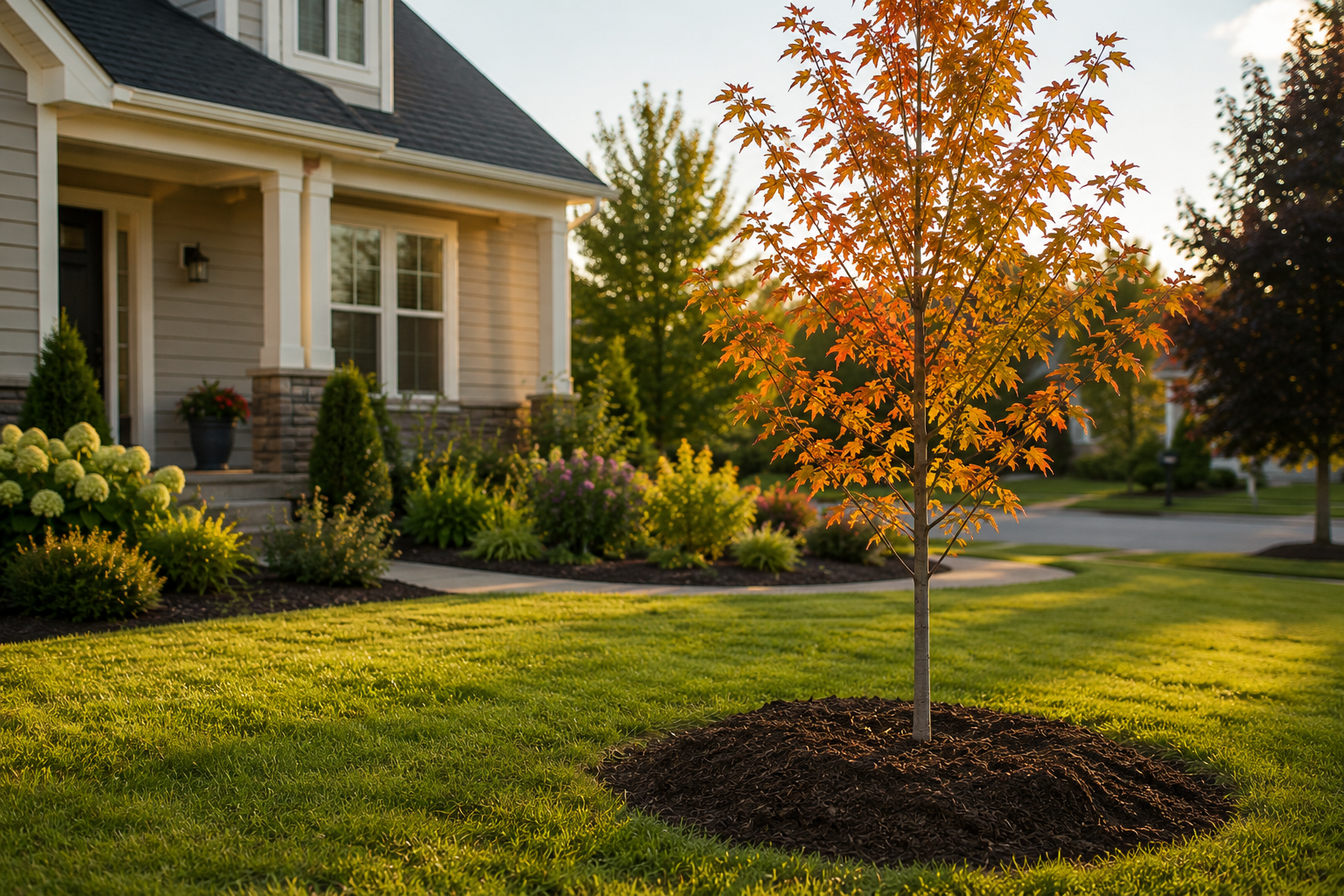
When most people think about planting trees, spring is often the first season that comes to mind. But here in Maine, late summer and fall can be some of the best times of the year to get trees in the ground. Cooler temperatures, warm soil and dependable fall moisture create excellent conditions for new trees to establish their roots before winter.
Warm Soil Means Active Roots
By late summer, Maine's soil has been warming for months. Even as daytime temperatures begin to cool, the ground retains much of that warmth well into fall.
That's important because tree roots can continue to grow after above-ground growth has slowed for the season. Instead of putting energy into producing new leaves and shoots, a newly planted tree can focus on developing its root system.
Those additional weeks of root growth give the tree a valuable head start. When spring arrives, it already has roots extending into the surrounding soil and is better prepared to support new growth.
Cooler Weather Reduces Stress
Planting during the heat of summer can be stressful for both plants and gardeners. Hot temperatures, intense sunlight and rapidly drying soil can cause newly planted trees to lose moisture quickly.
Late summer and fall bring progressively cooler days and nights, reducing some of that stress. Trees are also naturally preparing for dormancy, so their demand for water and energy begins to decrease.
You'll still need to water newly planted trees thoroughly and consistently until the ground freezes, but cooler conditions generally make it easier to maintain adequate soil moisture.
Fall Weather Helps Trees Settle In
Maine's late-summer and fall weather often provides a favorable combination for establishing trees: warm soil below ground and cooler temperatures above it.
Planting before the ground freezes gives roots time to begin growing into the surrounding soil. The goal isn't necessarily to produce a huge root system before winter. Even a modest amount of establishment can put a tree in a better position when growth resumes the following spring.
A 2- to 3-inch layer of mulch around the root zone can also help conserve moisture and moderate soil temperatures. Just remember to keep mulch a few inches away from the trunk rather than piling it against the bark.
Less Competition from Weeds
Another advantage of fall planting is that many weeds and other plants are beginning to slow down for the season. That means a newly planted tree may face less competition for water and nutrients than it would during the peak of the growing season.
Keeping the area immediately around a young tree free of grass and weeds can make an even bigger difference. Turfgrass, in particular, can compete with newly planted trees for moisture.
A Head Start on Next Spring
Perhaps the biggest benefit of planting in late summer or fall is what happens the following year.
Instead of waiting until spring to plant and asking a tree to establish roots while simultaneously producing leaves and new growth, a fall-planted tree has already had an opportunity to settle into its new location. As soil temperatures warm in spring, its root system can become active again and support the season's growth.
In other words, plant this fall and you'll already be one step ahead next spring.
How Late Can You Plant Trees in Maine?
There's no single date when tree planting suddenly becomes impossible. Maine's weather varies considerably from year to year, and conditions can differ between coastal and inland locations.
As a general rule, you can continue planting trees in fall as long as the soil is workable and you can properly dig and prepare the planting hole. Earlier is preferable because it provides more time for root establishment, but many hardy trees can be planted successfully well into the fall.
The key is watering. Newly planted trees should receive a thorough soaking at planting and continue to be watered as needed until the ground freezes, especially during dry fall weather.
Tips for Successful Fall Tree Planting
For the best results, choose a tree that's appropriate for your site's sunlight, soil, drainage and available space. If you're interested in incorporating plants that are particularly well suited to the area, browse our list of plants native to this area of Maine.
Dig a planting hole that's wide but no deeper than necessary, and make sure the root flare—the point where the trunk begins to widen into the roots—is at or slightly above the surrounding soil level.
After planting, water deeply and add mulch over the root zone. Avoid automatically adding fertilizer to the planting hole; establishing a healthy root system is the priority.
Most importantly, don't forget about the tree after the leaves fall. Consistent watering through the remainder of the season is one of the most important things you can do to help a newly planted tree succeed.
Don't Want to Plant It Yourself?
Choosing the right tree is only part of the process. Estabrook's also offers a Tree & Shrub Planting Service throughout Southern Maine. Simply choose your plants at our Yarmouth or Kennebunk location and ask about planting when you check out.
Plant delivery is also available throughout our service area. Learn more about plant and landscape material delivery.
Don't Wait Until Spring
If you've been thinking about adding a shade tree, flowering tree, evergreen or ornamental tree to your landscape, there's no need to put the project off until next year.
Late summer and fall offer some of Maine's best planting conditions, giving trees an opportunity to establish roots during cooler weather and get a head start on the next growing season.
Plant now, water well and give your new tree the opportunity to put down roots before winter. Come spring, you'll be glad you did.
Ready to get started? Browse trees and other plants currently available from Estabrook's, or visit us in Yarmouth or Kennebunk for help choosing the right tree for your landscape.