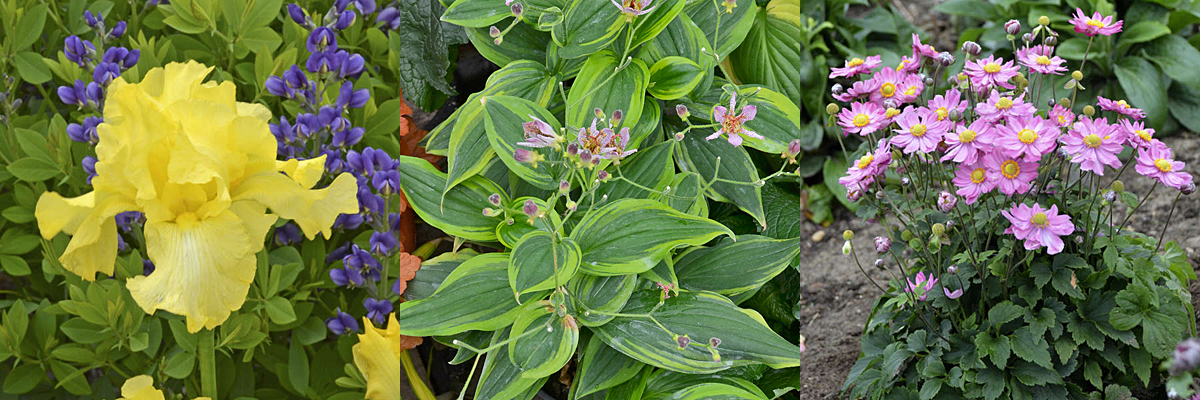
October still offers opportunities to improve your perennial garden in Maine. Cooler air makes planting more comfortable, and the soil may retain enough warmth for roots to continue growing. With suitable plants, a prepared site, and careful watering, an early-fall planting can begin settling in before winter.
The key is timing. October planting is a decision to make for your garden and the particular plant, rather than a promise that every perennial can go in at any point this month. Here's how to give new perennials a good start.
Plant Early and Check Your Conditions
Earlier in October generally gives plants more opportunity to grow roots than planting at the end of the month. Coastal southern Maine gardens may have a longer window than colder inland or northern sites, but weather, exposure, and drainage all influence the outcome.
A light air frost doesn't necessarily mean the soil has frozen. Even so, workable ground alone isn't proof that a plant has enough time to establish. Aim to leave several weeks of suitable growing conditions before the ground freezes, and ask about timing for the variety you're considering. If prolonged cold is close or your site is saturated, prepare the bed now and plant in spring.
Choose Healthy Plants That Fit the Site
- Check winter hardiness. Select a variety suited to your garden's hardiness zone. The word “perennial” doesn't guarantee winter survival everywhere in Maine.
- Match light and drainage. Consider summer sunlight as well as the more open autumn canopy. A plant that needs good drainage should not spend winter in a low, wet spot.
- Look beyond the flowers. A healthy crown and well-rooted plant matter more than a pot full of blooms. Seasonal yellowing can be normal, but avoid plants with rot, damaged crowns, or unresolved pest problems.
- Allow room to grow. Use the mature width on the tag to plan spacing, even when a dormant or recently trimmed plant looks small.
Hostas, daylilies, and other familiar hardy perennials may be options for an appropriate site, but ask about the specific variety and late-season timing. Ornamental grasses, marginally hardy plants, and fall-flowering plants may benefit from spring planting in colder locations. Don't assume a decorative porch mum will return: check its hardiness and planting recommendations.
Prepare the Bed Before You Unpot
Remove weeds and loosen the planting area without working wet soil. If it smears or compacts easily, let it dry before digging. Improve a poor bed across the planting area rather than making one unusually rich pocket surrounded by unsuitable soil.
A soil test can guide amendments and nutrient additions. Avoid applying fertilizer simply to encourage a burst of late growth. The immediate priorities are correct planting depth, good soil contact, and dependable moisture.
Plant at the Right Depth
- Moisten the root ball. Water a dry plant before removing it from the container so the root ball is evenly moist.
- Dig a generous hole. Make it wide enough to accommodate the roots, with a firm base at the recommended planting depth.
- Remove the pot and check the roots. Gently loosen roots circling the outside. If roots are densely matted, ask how to address them for that plant.
- Set the crown correctly. Most container perennials go at their previous soil level, but plants such as peonies have specific depth requirements. Follow the tag or variety-specific guidance rather than burying the crown.
- Backfill and water thoroughly. Gently firm the soil and let water soak into the root ball and surrounding ground. Check that the plant hasn't settled too deeply.
Add a label and take a photo. Some perennials disappear above ground for winter, and others emerge late in spring; a marker helps prevent accidental digging.
Keep Watering After Planting
Cooler weather can reduce water demand, but new plants still need monitoring. Rain that dampens the surface may leave the root ball dry. Check moisture in both the root ball and nearby soil regularly, especially during windy or dry weather.
Water slowly when needed to keep roots moist without making the soil persistently soggy. Continue checks until the ground freezes, then resume in spring as growth begins. Our fall watering guide explains why moisture matters at this time of year.
Help Plants Through Their First Winter
A modest mulch layer around the planting helps conserve moisture. Keep it clear of the crown and avoid wet, packed piles. Where winter protection is recommended, apply an appropriate loose covering after the soil has cooled and plants are dormant, following advice for the variety.
Repeated freezing and thawing can lift a newly planted root ball, a process called frost heaving. Check plants during spring thaw. If roots are exposed, address the planting once the ground is workable; avoid forcing frozen plants back into frozen soil.
Leave healthy foliage while it is still green. After dormancy, cleanup depends on the plant: sturdy stems and seed heads can remain for winter interest and habitat, while diseased growth should be removed. See our fall cleanup checklist for more.
Be Selective About Dividing
Planting a nursery-grown perennial and dividing an established clump are different jobs. Division disturbs roots and creates smaller plants that need recovery time. University of Minnesota Extension recommends allowing four to six weeks before the ground freezes for fall divisions.
If that window is closing, postpone division until the appropriate season. Fall-blooming perennials are generally better divided in spring. Check species-specific advice before moving a large clump or splitting a plant you've just purchased.
Build Next Year's Garden Thoughtfully
Use October to fill a gap, repeat a favorite plant, or plan a border with several seasons of interest. Start with plants that suit the space and can receive the care they need. Good choices now are more useful than rushing to finish every planting before winter.
Explore our perennial selection or contact the Estabrook's team with photos and notes about sunlight and drainage. We can help you decide what to plant now and what to save for spring.
Additional guidance: perennial selection, planting, and care from University of Maryland Extension and dividing perennials from University of Minnesota Extension.