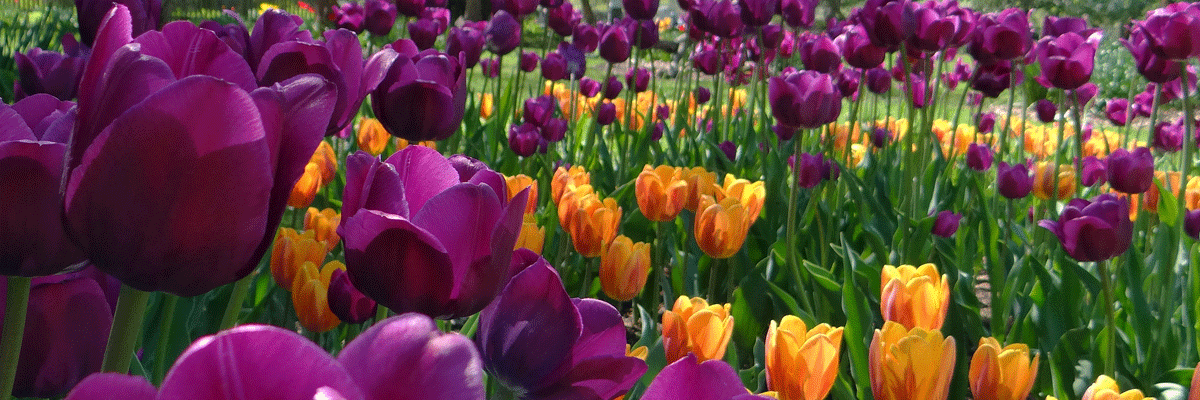
Plant a few bulbs in fall and you can have flowers from the first crocuses through the last ornamental alliums. The trick is to match the bulb to the spot, plant at the right depth, and leave the foliage alone long enough to recharge the bulb after flowering. Here are answers to the questions we hear most often about planting spring-flowering bulbs in Maine.
When Should I Plant Spring Bulbs in Maine?
Plant hardy spring-flowering bulbs in fall, after the soil cools but before it freezes. UMaine Cooperative Extension gives mid to late October in northern Maine and early to mid-November in southern Maine as typical times for planting ornamental bulbs in cooled soil. Weather, location, and bulb type can shift that window. Follow the package directions and aim to give the bulbs time to root before freeze-up.
What if we’ve already had a frost? A frosty morning doesn’t necessarily mean the ground is frozen. If the soil is still workable and drains well, plant promptly. Don’t force bulbs into frozen or waterlogged ground. If you must hold them briefly, keep them cool, dry, and ventilated, and check for soft spots or mold.
Where Will Bulbs Grow Best?
Choose a spot that drains well and gets enough light while the leaves are green. A bed under deciduous trees may suit early bloomers if it gets spring sun before the canopy fills in. A low spot that stays wet after rain or snowmelt is a poor choice for most spring bulbs. If drainage is the problem, move to a better site or plant in a raised bed.
Choose firm bulbs and check the label for hardiness, light, and mature height. For a longer display, combine bulbs marked early, mid-, and late spring. Crocuses can start the show, daffodils and tulips can carry it through spring, and many ornamental alliums flower later.
How Deep and How Far Apart Should I Plant Them?
Follow the package first. As a starting point for many hardy bulbs, dig to about two to three times the bulb’s height, measured from the soil surface to the base of the bulb. A 2-inch-tall bulb would sit with its base about 4 to 6 inches below the surface. Measure from the soil, before adding mulch.
Use the spacing recommended for your variety. Small bulbs generally sit closer together than large ones. For a fuller display, plant several at the recommended spacing in a group rather than squeezing them together. If you want them to multiply over time, leave room for the clumps to spread.
Which End Goes Up?
Set a typical bulb pointed end up, with the flatter root end down. Loosen the soil with a trowel and dig individual holes, or dig one broad area for a group that shares the same planting depth. Backfill gently and water to settle the soil if it’s dry. Mark the spot so you don’t dig into it later.
For an informal look, scatter bulbs within a planned group and plant them where they land, adjusting any that are too close. See our guide to naturalizing bulbs for tips on creating drifts and choosing bulbs that can return.
Do I Need Compost, Fertilizer, or Mulch?
Good drainage comes first. Where the bed needs organic matter, work finished compost across the planting area. Use a soil test to guide fertilizer and phosphorus additions instead of automatically adding bone meal to every hole. Keep fertilizer from direct contact with bulbs.
After planting, check moisture during dry spells while the ground remains unfrozen. Bulbs need moisture to root, but soggy soil encourages rot. A light layer of loose mulch can help moderate soil temperatures. In spring, pull aside any thick, matted cover that would block emerging shoots.
Can I Plant Bulbs in Containers?
Yes. Choose a pot deep enough for the recommended planting depth and room for roots, with drainage holes and a free-draining potting mix. Roots in an exposed pot are less insulated than roots in the ground. In Maine, plan where the pot will spend winter before planting. A protected, unheated spot that stays cold without exposing the pot to severe freezing and thawing may work; check moisture periodically and keep the mix from drying out completely or staying soaked.
If your goal is winter flowers indoors, use bulbs suited to indoor forcing. Our amaryllis and paperwhite guide covers two options that don’t need the chilling treatment used for many hardy garden bulbs.
How Can I Keep Animals From Eating the Bulbs?
If squirrels dig up bulbs just after planting, try securing a wire mesh cover over the soil and removing it before spring shoots get caught. An underground bulb basket can help where rodents feed below the surface. If deer regularly browse tulip buds in your garden, try daffodils or ornamental alliums, which deer generally prefer less. Match the protection to what’s actually being eaten: bulbs underground and flower buds above ground call for different approaches.
What Should I Do After the Flowers Fade?
Leave green foliage in place until it yellows and dies back naturally. The leaves feed the bulb for its next growing season. If you planted in grass, wait to mow that patch until the foliage has faded. In a border, nearby perennials can help hide the fading leaves.
If bulbs produce leaves but few flowers, check for increasing shade, crowding, poor drainage, or foliage cut too early. Many tulip varieties also flower less reliably after their first few seasons. Where repeat bloom is your priority, choose varieties known to return or try daffodils suited to your site.
Need help planning your spring display? Ask the Estabrook’s team about your site, planting depth, and varieties with different bloom times.
Additional guidance: UMaine Extension’s October planting advice and University of Minnesota Extension’s bulb planting guide.