Beat the Late-Summer Slump
By late summer, even the most colorful gardens can begin to look tired. Weeks of heat, dry weather and constant blooming can leave annuals, perennials and container gardens drooping, overgrown or short on flowers.
Fortunately, a little attention now can refresh your landscape and encourage healthy growth and renewed color well into fall.
Clean Up Tired Plants
Start by removing faded flowers, yellowing leaves and damaged stems. This simple cleanup immediately improves the appearance of the garden while helping plants direct their energy toward healthy new growth.
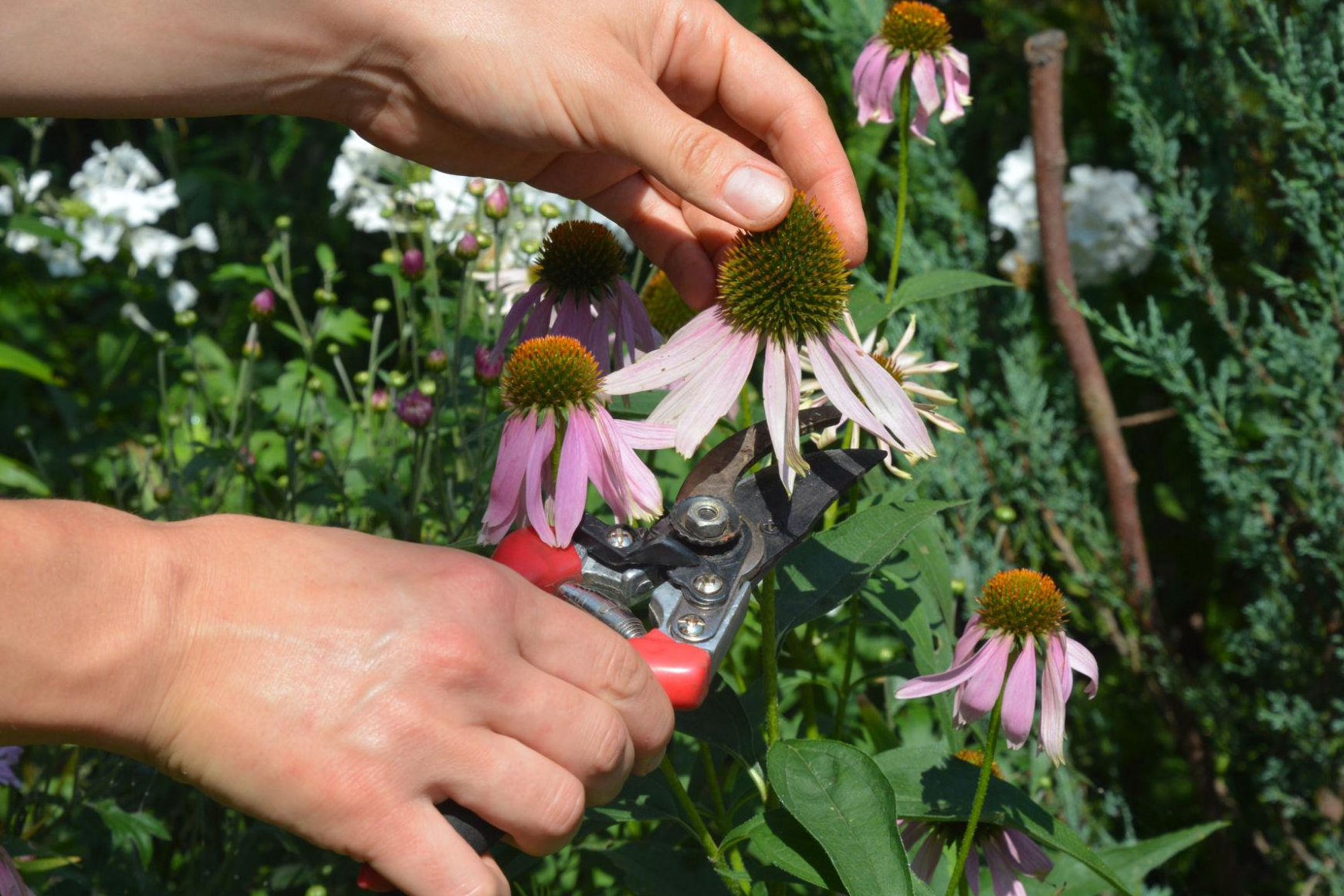
Many annuals, including petunias, calibrachoa, geraniums, marigolds and zinnias benefit from regular deadheading. If plants have become leggy or uneven, trim them back by about one-third. With regular watering and feeding, they will often fill out again and produce a fresh round of flowers.
Encourage a Fall Rebloom
Deadheading can also encourage many perennials to bloom again later in the season. Salvia, catmint, coreopsis, yarrow and other repeat bloomers often respond well when faded flowers are removed promptly.
Cut spent flower stems back to a healthy set of leaves rather than removing only the flower head. Even when a plant does not rebloom, this cleanup can stimulate fresh foliage and keep the garden looking neat through fall.
Water Deeply and Consistently
During peak summer heat, plants benefit more from deep, thorough watering than from frequent light sprinkling. Slow watering allows moisture to reach deeper roots, helping plants withstand hot and dry conditions.
Water early in the morning whenever possible. Cooler temperatures reduce evaporation and give wet foliage time to dry during the day.
Before watering, check the soil a few inches below the surface. The top layer may look dry while the root zone still contains plenty of moisture. A soil moisture meter can help take the guesswork out of watering and reduce the risk of both overwatering and underwatering. Browse our watering supplies for moisture meters and other tools that make watering easier.
Give Containers Extra Attention
Containers, window boxes and hanging baskets dry out much faster than garden beds. During hot, sunny or windy weather, check them every day. Some containers may need water twice a day during extreme heat.
Water until moisture drains from the bottom of the pot. A watering can or gentle nozzle makes it easier to soak the soil thoroughly without damaging flowers or washing potting mix from the container.
If flowering has slowed, apply a water-soluble fertilizer according to label directions to replenish nutrients that have been washed from the soil through frequent watering.
Refresh Your Mulch
A two- to three-inch layer of mulch helps the soil retain moisture, keeps roots cooler and reduces competition from weeds. Choose bagged mulch for smaller projects or bulk mulch when refreshing larger garden beds.
Keep mulch a few inches away from plant crowns, tree trunks and shrub stems to prevent excess moisture from collecting directly against the plant.
Replace Plants That Struggle Every Summer
If the same area of your garden becomes difficult to maintain every summer, consider replacing thirsty or heat-sensitive plants with more drought-tolerant choices.
Coneflowers, sedum, Russian sage, lavender, ornamental grasses and many other perennials provide dependable color while requiring less water once established.
Choosing plants that match the amount of sunlight, soil type and moisture available in the area can make the garden healthier and easier to maintain.
Keep Your Garden Looking Its Best
A little late-summer maintenance can make a dramatic difference. Deadhead spent flowers, trim leggy growth, water deeply, refresh your mulch and replace plants that are not suited to their location.
Visit Estabrook's for watering supplies, bark mulch, fertilizers, garden tools and heat-tolerant perennials that can help your garden recover from the summer heat and continue looking beautiful into fall.